
Drones are transforming industries across the world—from agriculture and construction to filmmaking, security, and environmental monitoring. As drone technology becomes more advanced, the demand for professionals who can design, build, and safely operate drones is growing rapidly. Becoming certified in drone design and piloting can open doors to exciting career opportunities and innovative projects.
Why Drone Skills Are in High Demand
Unmanned Aerial Vehicles (UAVs), commonly known as drones, are now used in many fields. Farmers use them to monitor crops, filmmakers capture stunning aerial footage, and engineers deploy drones for inspections and mapping. With this rapid growth comes the need for skilled professionals who understand both the technical design of drones and the regulations required to operate them safely.
Certification helps prove that you have the knowledge and practical skills needed to design, build, and pilot drones responsibly.
Key Skills You Need
To become certified in drone design and piloting, you should develop a combination of technical and operational skills:
- Aerodynamics and flight principles – Understanding how drones stay stable in the air
- Electronics and hardware – Motors, sensors, batteries, and controllers
- Drone software and programming – Flight controllers and autopilot systems
- Safety and regulations – Airspace rules and responsible drone operation
- Piloting skills – Manual control, navigation, and aerial maneuvering
Many certification programs combine theory with hands-on flight training.
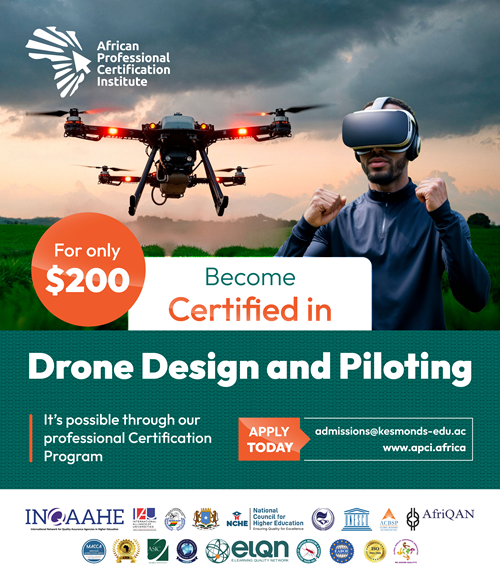 Steps to Become Certified
1. Learn the Basics of Drone Technology
Start by understanding how drones work. Online courses, technical schools, and aviation training centers often provide introductory classes in UAV technology, covering drone components, flight mechanics, and basic piloting.
2. Get Hands-On Practice
Practical experience is essential. Practice flying training drones in controlled environments and learn essential maneuvers such as hovering, altitude control, and obstacle navigation.
3. Study Aviation Rules and Safety
Every country has aviation authorities that regulate drone flights. Learning about airspace restrictions, flight permissions, and safety procedures is a key part of certification.
4. Enroll in a Drone Certification Program
Look for recognized training institutions offering certification in drone piloting or UAV design. These programs usually include:
- Classroom theory
- Simulator training
- Supervised flight sessions
- A written and practical exam
5. Pass the Certification Exam
After completing training, you’ll take an exam that tests both your technical knowledge and your flying skills. Once you pass, you receive your drone pilot certification.
Career Opportunities After Certification
With a drone certification, you can work in many industries, including:
- Aerial photography and videography
- Agriculture monitoring
- Land surveying and mapping
- Infrastructure inspection
- Disaster management and search-and-rescue
- Drone engineering and product development
Entrepreneurs can also start their own drone service businesses.
The Future of Drone Technology
Drone technology continues to evolve with innovations such as autonomous navigation, AI-powered flight systems, and drone delivery services. Professionals who combine design expertise with piloting skills will be in especially high demand in the coming years.